
Spine & Neurology FEA: High-Fidelity Simulations for Safer Surgical and Implant Outcomes
The human spine and nervous system are biomechanically intricate, with each movement influencing load distribution, disc hydration, neural tension, and vertebral alignment. Errors in implant placement, surgical planning, or load shifting can lead to long-term complications. Our Spine & Neurology FEA division provides predictive simulations that guide safer interventions.
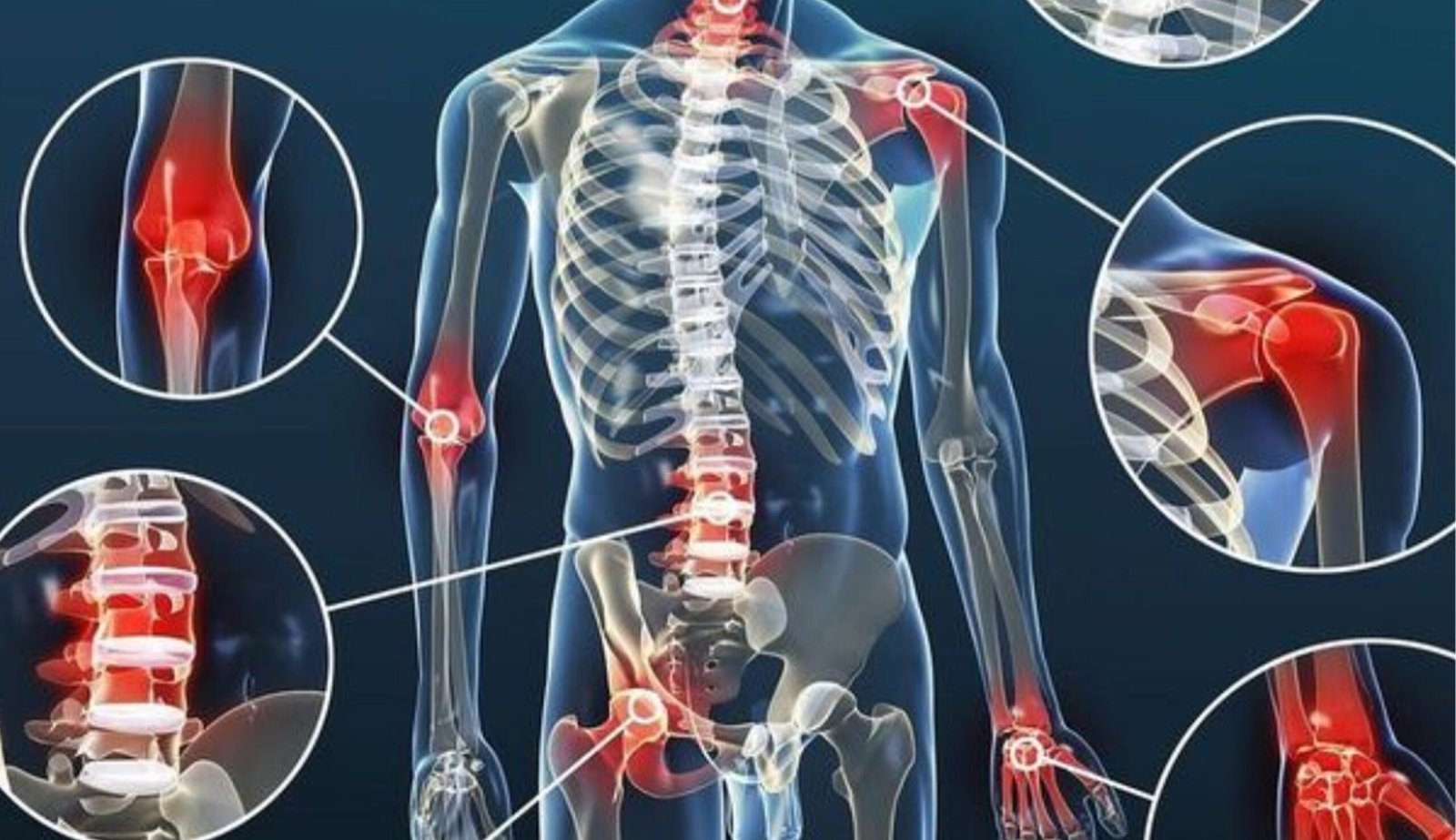
We build anatomically correct models of the spine using imaging-based reconstruction—vertebrae, discs, ligaments, nerves, and surrounding tissues included. The models allow us to simulate:
• Disc degeneration progression under different loading conditions
• Implant–bone and implant–tissue interaction over time
• Rod, screw, and cage performance under various movements
• Stability after spinal fusion or decompression
• Effects of misalignment or improper load transfer
• Neural deformation and potential nerve compression risks
Advanced superimposition tracks anatomical changes across pre- and post-operative scans. This gives surgeons a detailed visual of improvement, regression, or unexpected biomechanical shifts.
Manufacturers rely on this service to refine implant geometry, improve screw threads, evaluate cage materials, and validate fusion mechanisms before clinical use.
Our goal is clear: reduce complications, increase surgical predictability, and ensure that every spinal implant performs safely throughout its lifespan.